Tejano Music in the 1990s: The Golden Era of Tejano Music
Tejano Music in the 1990s
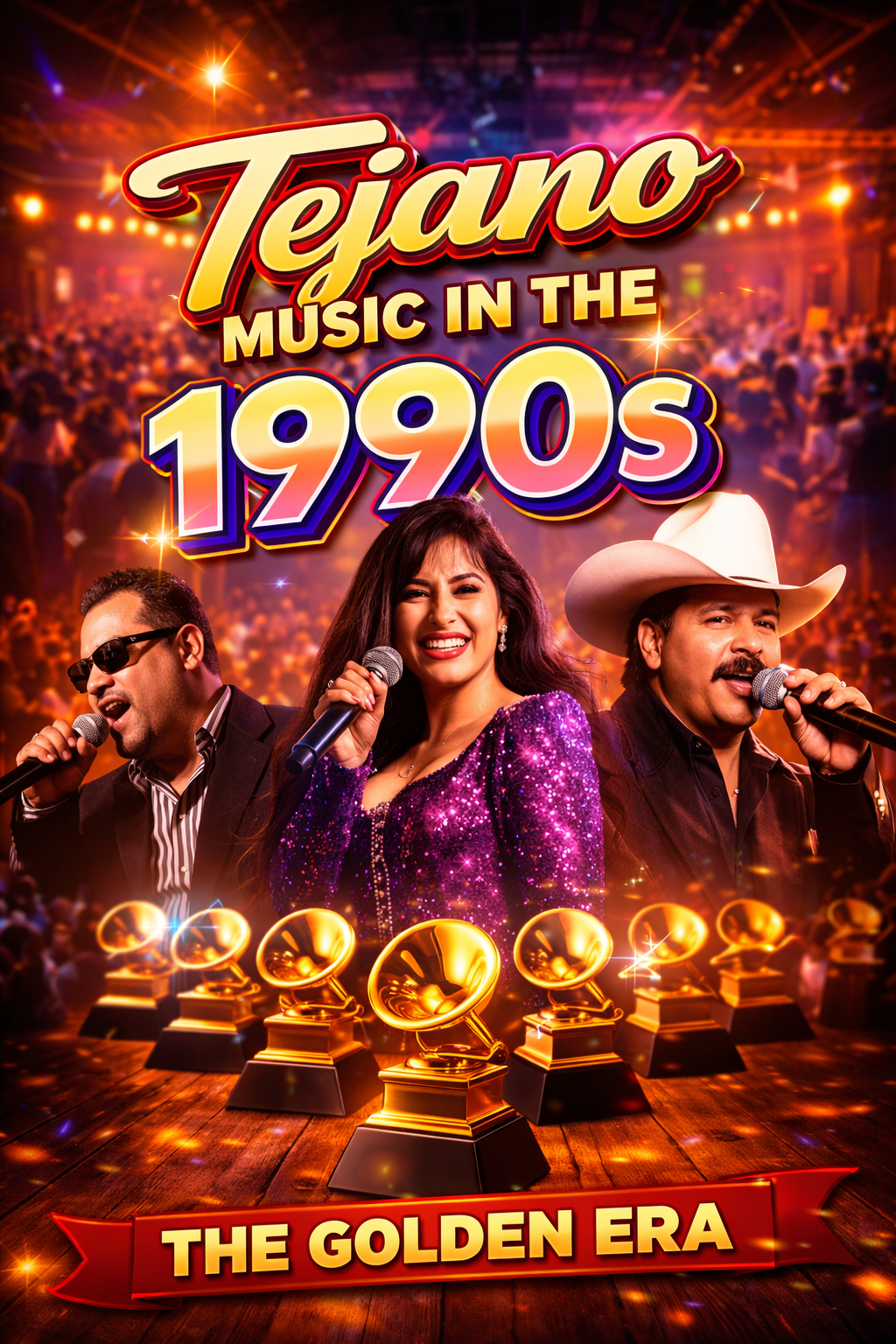
The 1990s are widely known as the golden era of Tejano music. During this decade, the genre reached unprecedented levels of popularity, cultural visibility, and commercial success. What had grown steadily through the 1970s and 1980s suddenly exploded into national recognition, bringing Tejano music into mainstream media, major concert venues, and millions of households.
This decade marked a moment when Tejano music moved from regional prominence to national awareness. Artists became household names, albums reached new audiences, and live performances drew record-breaking crowds. The 1990s remain one of the most celebrated periods in the history of Tejano music.
The Explosion of Tejano Music Popularity
During the early 1990s, Tejano music experienced rapid growth in popularity. Record sales increased dramatically, concerts became larger, and artists gained exposure through television, radio, and print media.
Several factors contributed to this explosive growth:
- Expanded radio programming dedicated to Tejano music
- Increased visibility through music awards and live events
- Improved recording technology
- Strong fan support across Texas and beyond
- Wider availability of cassette tapes and compact discs
This combination of cultural momentum and technological advancement created the perfect environment for Tejano music to thrive.
The Rise of Tejano Superstars
The 1990s produced some of the most recognizable names in Tejano music history. These performers became cultural icons whose influence extended far beyond the music industry.
Artists during this decade developed large fan bases, recorded chart-topping albums, and toured extensively across the United States.
Some of the most influential artists of the 1990s included:
Selena
Emilio Navaira
Jay Perez
La Mafia
Mazz
Elida Reyna
David Lee Garza
These performers helped define the sound and identity of Tejano music during its most successful era.
Selena and the Global Spotlight
One of the most important figures of the 1990s was Selena, whose influence transformed the genre and brought global attention to Tejano music. Her music, stage presence, and connection with fans helped elevate Tejano music into mainstream recognition.
Selena’s impact included:
- Expanding the audience beyond regional markets
- Introducing Tejano music to national television audiences
- Inspiring younger generations of performers
- Strengthening cultural pride within communities
Her success helped define the sound and spirit of the 1990s and remains one of the most powerful legacies in Tejano music history.
The Role of Awards and Industry Recognition
The 1990s saw increased recognition of Tejano music through awards and industry programs. Music awards highlighted the achievements of performers and helped introduce the genre to broader audiences.
Important developments included:
- Growth of Tejano music award ceremonies
- Recognition through national music organizations
- Increased media coverage
- Industry sponsorship and support
Awards helped validate the importance of Tejano music and raised the visibility of artists.
Advances in Recording Technology
Recording technology continued to improve throughout the 1990s. Compact discs became widely used, allowing for clearer sound quality and longer album formats.
Technological improvements included:
- Transition from cassette tapes to compact discs
- Enhanced sound clarity
- Digital recording techniques
- Improved studio production capabilities
These advancements allowed artists to create more polished and professional recordings.
The Importance of Live Performances
Live performances became larger and more elaborate during the 1990s. Concert venues expanded, and audiences grew in size and enthusiasm.
Popular performance venues included:
- Large dance halls
- Outdoor festivals
- Cultural celebrations
- Major concert arenas
Artists toured extensively, often performing in multiple cities each week. These live events created unforgettable experiences for fans and strengthened the popularity of the genre.
Tejano Festivals and Community Celebrations
Festivals became major cultural events during the 1990s. These gatherings brought together families, musicians, and fans to celebrate music and heritage.
Festival growth included:
- Larger multi-day music events
- Outdoor performances
- Cultural celebrations featuring food and dance
- Expanded attendance across communities
Festivals played an important role in strengthening community identity and preserving cultural traditions.
Dance Culture During the Golden Era
Dance remained an essential part of Tejano music culture during the 1990s. As music became more energetic and widely distributed, dance styles evolved to match the sound.
Dance culture during this decade included:
- High-energy partner dancing
- Social dance events
- Community gatherings
- Festival dance floors
Dance continued to connect music with everyday social life.
Media Exposure and Television Appearances
Television became a powerful promotional platform during the 1990s. Artists appeared on regional and national television programs, expanding their reach and visibility.
Television exposure helped:
- Introduce artists to new audiences
- Promote album releases
- Advertise upcoming tours
- Strengthen fan engagement
Media visibility played a key role in bringing Tejano music into the mainstream.
Cultural Pride and Identity in the 1990s
Tejano music during the 1990s became a powerful expression of cultural pride. Songs reflected traditions, relationships, celebrations, and shared experiences that resonated deeply with audiences.
Music during this decade represented:
- Cultural heritage
- Community unity
- Family traditions
- Regional pride
The golden era strengthened the cultural importance of Tejano music across generations.
How the 1990s Changed Tejano Music Forever
The 1990s transformed Tejano music into one of the most recognized regional genres in the United States. Artists achieved success that earlier generations could only imagine.
Long-term impacts of the 1990s included:
- Increased national recognition
- Expansion of fan communities
- Greater professional opportunities for musicians
- Stronger cultural visibility
These changes shaped the future of Tejano music for decades to come.
Why the 1990s Are Known as the Golden Era
The 1990s earned the title of the golden era because of the genre’s rapid growth, widespread popularity, and cultural significance.
This decade introduced:
- Major commercial success
- International recognition
- Superstar-level performers
- Expanded audience reach
Many fans consider this period the most exciting time in Tejano music history.
Frequently Asked Questions About 1990s Tejano Music
Why are the 1990s called the golden era of Tejano music?
The 1990s saw massive growth in popularity, national media exposure, and commercial success for Tejano artists.
Who were the most popular Tejano artists of the 1990s?
Major artists included Selena, Emilio Navaira, Jay Perez, La Mafia, and Mazz.
How did technology affect Tejano music in the 1990s?
Compact discs and digital recording improved sound quality and helped distribute music more widely.
What role did festivals play in the 1990s?
Festivals helped promote Tejano music, attract large audiences, and strengthen community traditions.