Tejano Music in the 1960s: The Rise of Orquesta and a New Cultural Sound
Tejano Music in the 1960s
The 1960s were a decade of transformation for Tejano music. Building on the innovations of the 1950s, musicians expanded their sound, experimented with new instruments, and introduced a more sophisticated style known as orquesta Tejana. This period helped move Tejano music into urban venues, larger audiences, and a more polished musical identity.
The 1960s didn’t just change the sound of Tejano music—they changed how it was performed, recorded, and experienced by communities across Texas.
The Emergence of Orquesta Tejana
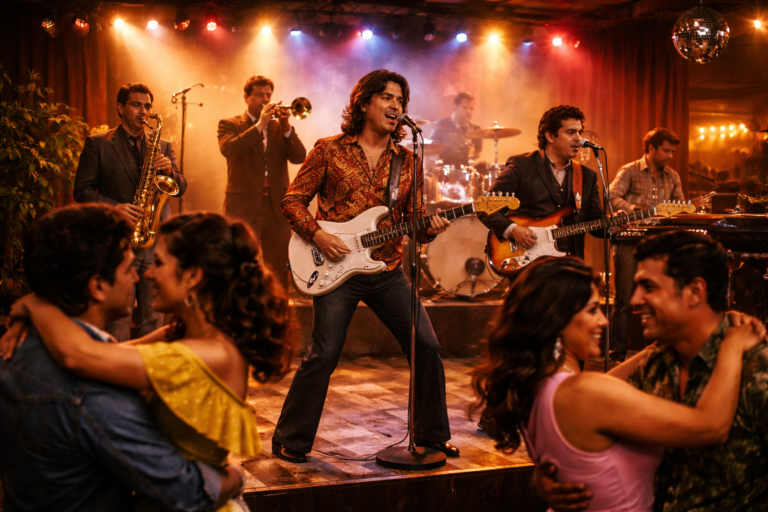
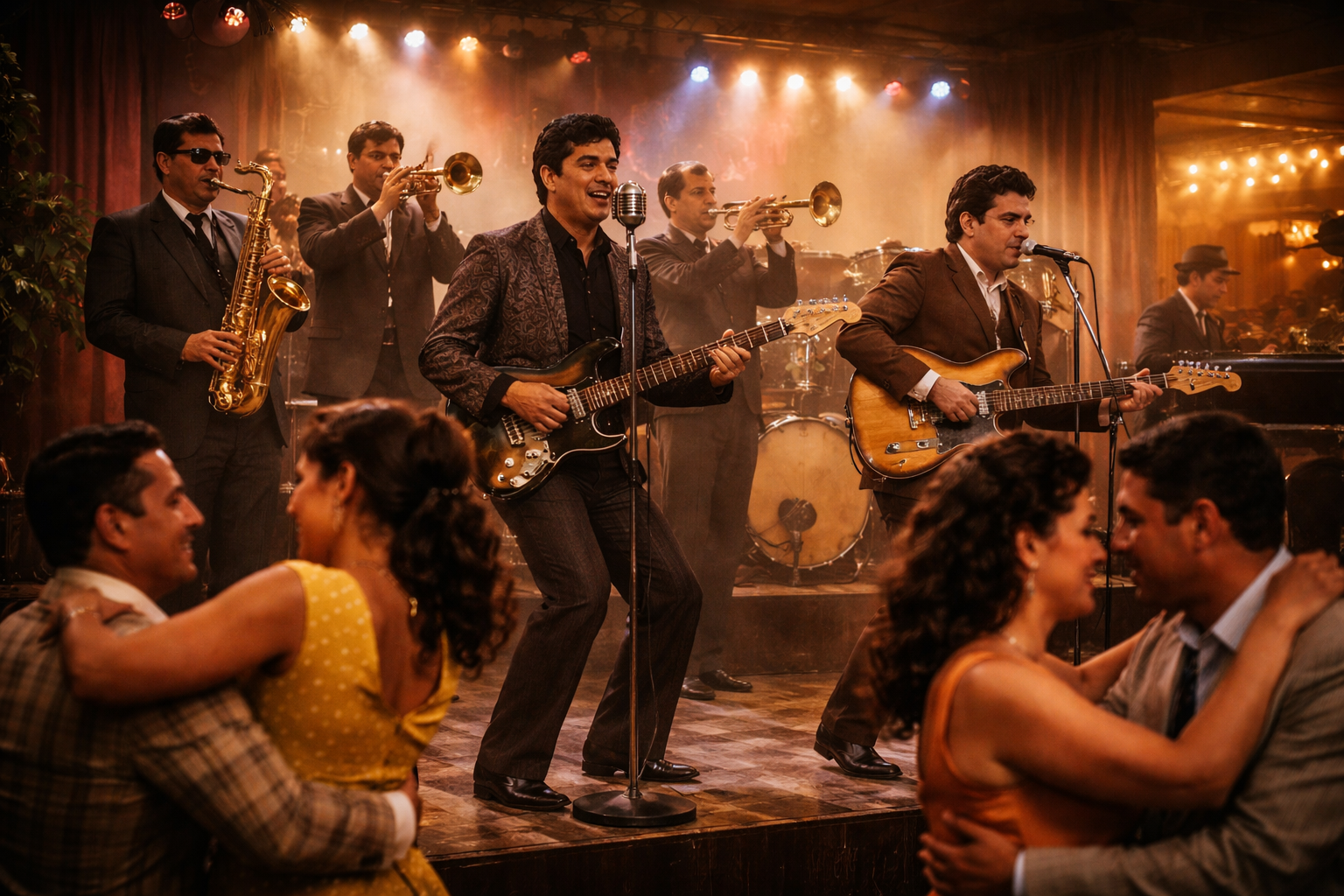
One of the most defining developments of the 1960s was the rise of orquesta Tejana, a style that brought brass instruments and orchestral arrangements into the genre. This musical shift created a smoother, fuller sound compared to the smaller conjunto groups of earlier decades.
Orquesta bands were typically larger and featured a mix of traditional Tejano instruments alongside jazz-inspired elements.
Key features of orquesta Tejana included:
- Trumpet and saxophone horn sections
- Smooth vocal harmonies
- Expanded rhythm sections
- Jazz-influenced arrangements
- Larger band performances
This sound appealed to younger audiences and helped bring Tejano music into ballrooms, theaters, and urban venues.
Musical Influences That Defined the 1960s Sound
The 1960s were a time of musical experimentation across the United States, and Tejano musicians were heavily influenced by popular genres of the era.
Several major musical styles shaped the Tejano sound during this decade.
Jazz and Big Band Influence
Jazz played a major role in shaping orquesta arrangements. Musicians began experimenting with improvisation, horn harmonies, and layered instrumentation.
Big band music introduced:
- Complex arrangements
- Multi-instrument sections
- Sophisticated stage presentations
These elements made Tejano music feel more modern and professional.
Rhythm and Blues (R&B) Impact
R&B contributed groove-driven rhythms that added emotional depth and dance appeal.
This influence helped:
- Create smoother melodies
- Improve rhythmic diversity
- Expand song structure complexity
The fusion of R&B with traditional Tejano rhythms created a sound that was both familiar and innovative.
Rock and Roll Inspiration
As rock and roll gained popularity during the 1960s, its influence began appearing in Tejano music.
Electric guitars became more common, and faster tempos created more energetic performances.
Rock influence introduced:
- Stronger rhythmic drive
- Youth-oriented musical styles
- More expressive stage performances
This made Tejano music appealing to younger generations.
Instruments That Defined the 1960s Tejano Era
The introduction of new instruments helped expand the musical range of Tejano bands.
Trumpets – The Power Behind Orquesta
Trumpets became one of the defining sounds of orquesta bands. Their bright tones created dramatic musical highlights and energized performances.
Trumpet sections were often used to:
- Introduce melodic themes
- Support vocal harmonies
- Create celebratory musical moments
This instrument symbolized the transition from small ensemble music to larger band performances.
Saxophones – Smooth and Emotional
Saxophones added warmth and emotional depth to the Tejano sound.
Their versatility allowed musicians to perform both lively dance rhythms and slower romantic ballads.
Saxophones helped:
- Create smoother melodies
- Add emotional expression
- Enhance musical complexity
Piano – The Harmonic Foundation
Pianos became more common in orquesta bands, adding rich harmonies and rhythmic structure.
Pianists played an important role in connecting melody and rhythm sections.
The piano allowed musicians to:
- Build layered musical arrangements
- Add harmonic depth
- Support vocalists more effectively
Electric Guitar – Bridging Old and New Sounds
Electric guitars introduced modern musical elements that connected Tejano music to popular American styles.
Guitarists helped expand:
- Rhythmic patterns
- Song structure variety
- Performance energy
This instrument helped push Tejano music toward modern genres.
Influential Artists Who Defined the 1960s
Several musicians helped shape the sound and identity of Tejano music during the 1960s. Their work introduced new ideas and expanded the genre’s reach.
Little Joe Hernández – Architect of the Brown Sound
Little Joe Hernández became one of the most influential figures of the decade. His band played a major role in developing what became known as the Brown Sound, a fusion of Tejano, jazz, soul, and rhythm and blues.
His impact included:
- Expanding musical experimentation
- Popularizing orquesta-style bands
- Creating a unique cross-genre sound
- Bringing Tejano music to national attention
Little Joe’s work helped redefine what Tejano music could become.
Sunny Ozuna – A Voice That Reached New Audiences
Sunny Ozuna became known for his smooth vocal style and stage presence. His recordings helped bring Tejano music to broader audiences.
His contributions included:
- Expanding radio exposure
- Strengthening vocal-driven music
- Increasing commercial popularity
Ozuna helped establish the importance of strong vocalists in Tejano music.
During the 1960s, many families moved into cities across Texas. Urban growth created new performance opportunities and expanded the audience base.
Cities such as:
- San Antonio
- Corpus Christi
- Houston
- Dallas
Became centers of Tejano musical activity.
Urban audiences demanded:
- Larger venues
- More polished performances
- Professional-quality bands
This pushed musicians to continuously improve their sound.
Dance Halls and Ballrooms of the 1960s
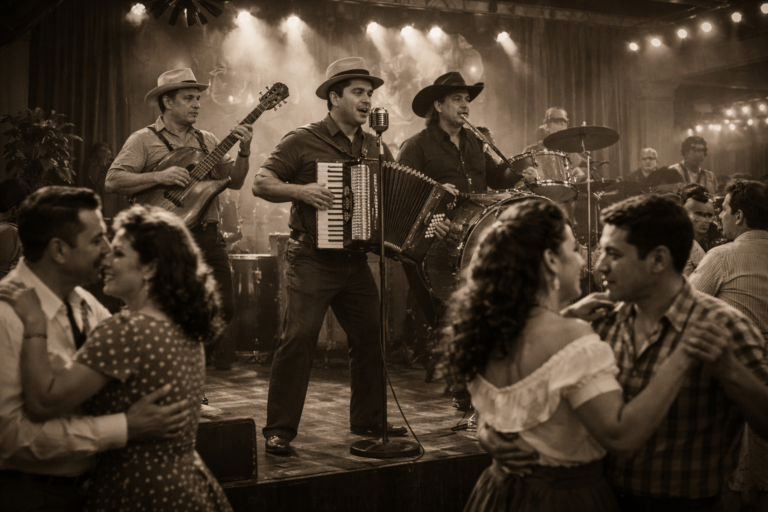
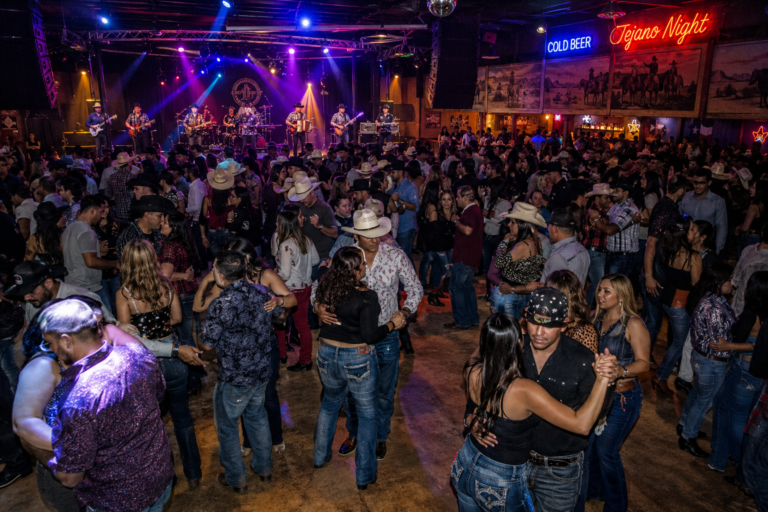
Dance remained a central part of Tejano culture during the 1960s. However, the venues evolved alongside the music.
Ballrooms and larger dance halls became more common, offering space for larger crowds and more elaborate performances.
Typical features included:
- Live weekend music events
- Couples dancing traditions
- Formal community gatherings
- Cultural celebrations
These venues played a major role in shaping the popularity of Tejano music.
Recording Studios and Vinyl Expansion
The 1960s saw significant growth in recording technology. More artists were able to record their music and distribute vinyl records across Texas and neighboring states.
Recording advancements allowed:
- Higher-quality sound production
- Increased distribution of albums
- Preservation of musical history
- Greater recognition for artists
Vinyl records became an important way for fans to experience music at home.
The Expanding Role of Radio Stations
Spanish-language radio continued to grow during the 1960s, becoming one of the most powerful tools for promoting Tejano music.
Radio helped:
- Introduce new artists
- Promote live performances
- Expand fan bases
- Increase regional popularity
Many listeners relied on radio as their primary source of music discovery.
Cultural Pride and Identity in the 1960s
Tejano music became an important expression of cultural identity during the 1960s. Songs reflected daily life, love, celebration, and community values.
Music represented:
- Cultural heritage
- Family traditions
- Shared community experiences
- Pride in identity
This cultural connection helped strengthen loyalty among listeners.
How the 1960s Set the Stage for the 1970s
The musical experimentation of the 1960s laid the groundwork for even greater innovation in the 1970s.
Major long-term effects included:
- Expansion of band size and instrumentation
- Increased professionalism among musicians
- Broader audience reach
- Greater commercial potential
These changes prepared Tejano music for the genre fusion that would define the next decade.
Why the 1960s Remain a Critical Turning Point
The 1960s were more than a transitional period—they were a decade that reshaped the identity of Tejano music.
This era introduced:
- The rise of orquesta bands
- The blending of multiple musical genres
- Sophisticated performance techniques
- Larger cultural visibility
Many modern Tejano traditions can be traced directly to this decade.
Frequently Asked Questions About 1960s Tejano Music
What is orquesta Tejana?
Orquesta Tejana is a style of Tejano music that includes brass instruments, larger bands, and jazz-inspired arrangements.
Who were the major Tejano artists of the 1960s?
Important artists included Little Joe Hernández and Sunny Ozuna, both of whom helped expand the popularity of the genre.
How did the 1960s change Tejano music?
The decade introduced larger ensembles, new instruments, and broader musical influences that modernized the genre.
Where was Tejano music most popular in the 1960s?
Tejano music grew rapidly in cities such as San Antonio, Corpus Christi, Houston, and Dallas.