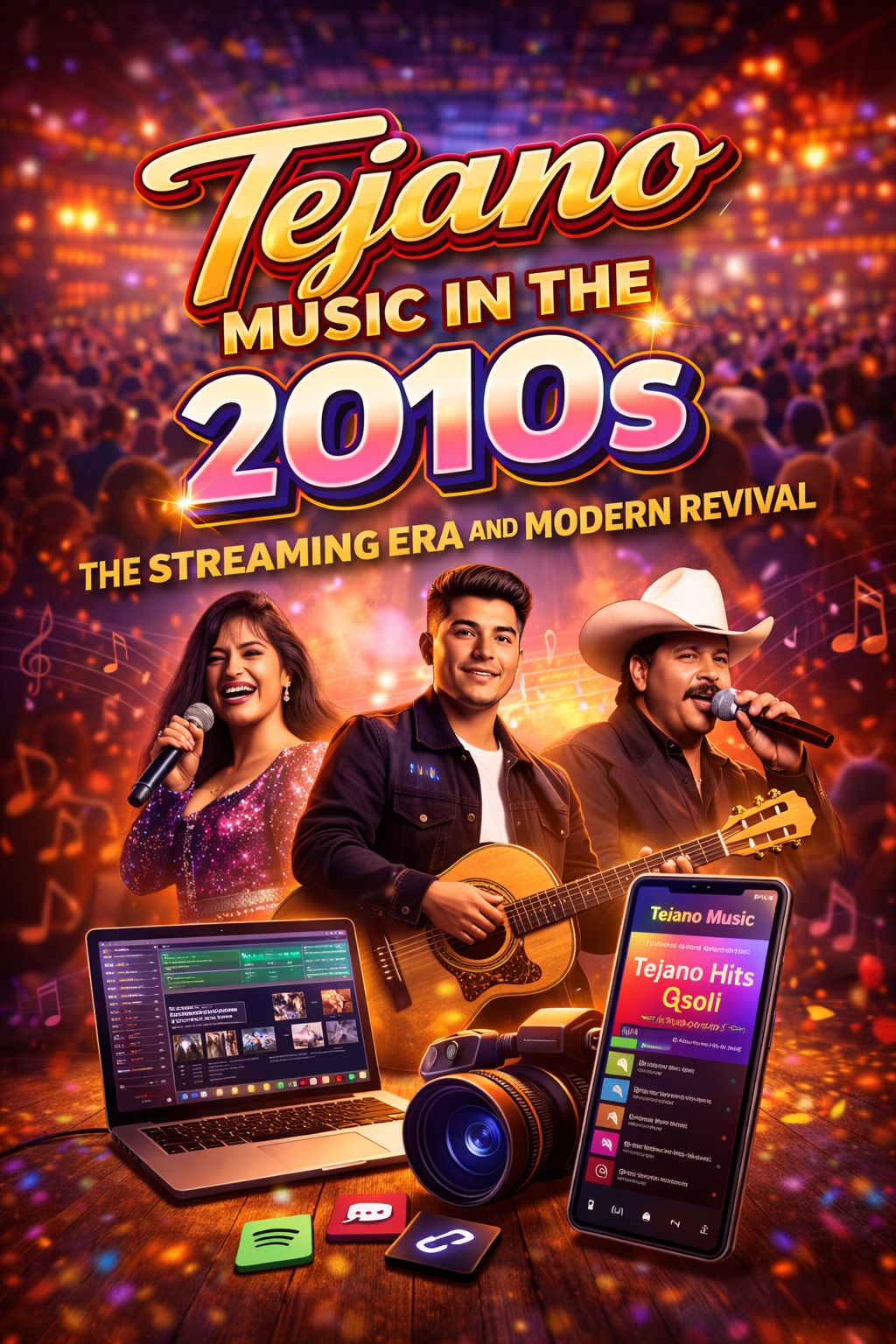
Tejano Music in the 2010s: The Streaming Era and Modern Revival
Tejano Music in the 2010s
The 2010s marked a period of renewal and transformation for Tejano music. After navigating the technological changes of the 2000s, the genre entered a new phase shaped by streaming platforms, social media, and the emergence of a new generation of artists. While the music industry continued evolving rapidly, Tejano musicians found new ways to connect with audiences and preserve the cultural traditions that defined the genre.
During this decade, Tejano music experienced a revival fueled by digital accessibility and renewed fan engagement. Artists used modern technology to expand their reach beyond regional markets, allowing the genre to connect with listeners across the United States and internationally.
The Rise of Streaming Platforms
Streaming technology became the dominant way people consumed music during the 2010s. Instead of purchasing physical albums, listeners began using digital platforms to access music instantly.
Streaming allowed Tejano music to:
- Reach wider audiences beyond traditional markets
- Introduce classic songs to younger listeners
- Provide immediate access to new releases
- Increase global exposure
This shift helped revitalize interest in Tejano music and allowed artists to maintain visibility in an increasingly competitive industry.
Social Media and Artist Promotion
Social media became one of the most powerful tools available to musicians during the 2010s. Artists used digital platforms to promote new music, announce concerts, and interact directly with fans.
Social media provided opportunities to:
- Share music videos and live performances
- Promote tour dates and festival appearances
- Build strong fan communities
- Connect with younger audiences
Direct interaction with fans helped strengthen loyalty and created a new level of engagement that had not been possible in previous decades.
The Emergence of New Tejano Artists
The 2010s introduced a new generation of performers who carried the traditions of Tejano music into the modern era. These artists blended traditional sounds with contemporary influences, creating music that appealed to both longtime fans and younger listeners.
New performers during this decade helped:
- Preserve traditional instrumentation
- Introduce modern musical production
- Expand the diversity of Tejano music
- Strengthen the future of the genre
This generation became essential to the continued survival of Tejano music.
Continued Influence of Established Artists
While new artists emerged, many established performers from earlier decades remained active during the 2010s. Their continued presence helped maintain the cultural continuity of the genre.
Established artists contributed by:
- Continuing to tour and perform
- Recording new albums
- Collaborating with younger musicians
- Preserving traditional musical elements
Their experience helped guide the next generation of performers.
The Evolution of Tejano Sound in the Digital Age
Musically, the 2010s introduced refined production techniques and new creative possibilities. Digital recording tools allowed artists to produce high-quality music more efficiently than ever before.
Common musical developments included:
- Advanced digital recording software
- Enhanced vocal production
- Blending of traditional and modern sounds
- Greater experimentation with rhythm and instrumentation
These advancements allowed artists to remain competitive in the modern music industry.
Live Performances Remain Essential
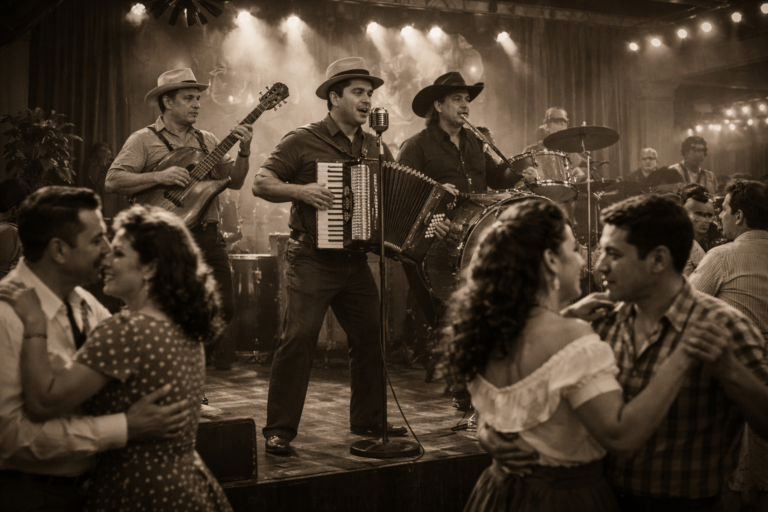
Despite the dominance of digital platforms, live performances remained central to Tejano music culture during the 2010s. Festivals, concerts, and dance events continued attracting large audiences.
Live events provided:
- Opportunities for fan interaction
- Strong community engagement
- Cultural celebration through music and dance
- Continued support for local musicians
Live performances helped preserve the social and cultural energy of Tejano music.
Growth of Tejano Festivals
Festivals became even more prominent during the 2010s. These events served as major gathering points for fans and musicians.
Festival growth included:
- Larger outdoor events
- Multi-day performances
- Increased attendance
- Cultural celebrations featuring music, food, and dance
Festivals remained one of the most important ways to sustain the genre’s visibility.
The Role of Music Videos and Online Content
Online video platforms became essential tools for promoting music during the 2010s. Artists created professional music videos that reached global audiences.
Video content allowed artists to:
- Showcase live performances
- Promote new songs visually
- Reach audiences across multiple regions
- Increase engagement through digital sharing
Visual storytelling became a major part of music promotion.
Cultural Identity in the Modern Era
Throughout the 2010s, Tejano music remained deeply connected to cultural identity. While technology changed how music was distributed, the themes and traditions behind the songs remained rooted in community values.
Music during this decade continued to represent:
- Cultural heritage
- Family traditions
- Community celebrations
- Shared cultural pride
These traditions helped maintain the genre’s authenticity.
Challenges Facing Tejano Music in the 2010s
While technology created new opportunities, it also introduced challenges for musicians.
Common challenges included:
- Increased competition from mainstream genres
- Changing music consumption habits
- Reduced physical album sales
- Greater reliance on digital promotion
Artists had to adapt quickly to remain visible in a crowded digital environment.
How the 2010s Strengthened the Future of Tejano Music
The technological advances of the 2010s helped prepare Tejano music for the modern streaming-driven world of the 2020s.
Major long-term effects included:
- Expanded global accessibility
- Growth of online fan communities
- Increased digital music production
- Greater opportunities for independent artists
These changes helped secure the future of Tejano music.
Why the 2010s Represent a Modern Revival
The 2010s are often viewed as a period of revival because the genre adapted successfully to modern technology while maintaining its cultural roots.
This decade introduced:
- Streaming-based music distribution
- Social media-driven promotion
- Increased digital visibility
- Stronger global audience reach
These developments allowed Tejano music to remain relevant in the modern era.
Frequently Asked Questions About 2010s Tejano Music
What changed for Tejano music in the 2010s?
Streaming platforms and social media transformed how music was distributed, promoted, and consumed.
Did new artists emerge during the 2010s?
Yes, a new generation of performers helped modernize the sound while preserving traditional influences.
How did social media affect Tejano artists?
Social media allowed artists to promote music directly and interact with fans in real time.
Are live performances still important?
Yes, concerts and festivals remained essential for maintaining fan engagement and cultural connection.