Tejano Music in the 2000s: Transition Into the Digital Era
Tejano Music in the 2000s
The 2000s marked a period of transition and reinvention for Tejano music. After the explosive popularity of the 1990s, the genre entered a new era shaped by technological change, shifting audience preferences, and the rise of digital music platforms. While the early years of the decade brought challenges, they also created opportunities for innovation and growth.
During the 2000s, Tejano artists adapted to a rapidly evolving music industry. New recording technologies, digital distribution, and changing listening habits forced musicians to rethink how they created and shared their music. This decade became a bridge between traditional formats and the modern digital world.
The Aftermath of the 1990s Golden Era
Following the massive success of the 1990s, the early 2000s presented new challenges for Tejano music. The genre had reached incredible heights during the previous decade, but maintaining that level of popularity proved difficult.
Several factors influenced this transition:
- Changes in music industry trends
- Increased competition from other genres
- Shifts in radio programming
- Evolving listener preferences
- The rise of digital music formats
These changes forced artists and producers to adapt quickly to remain relevant.
The Rise of Digital Music Technology
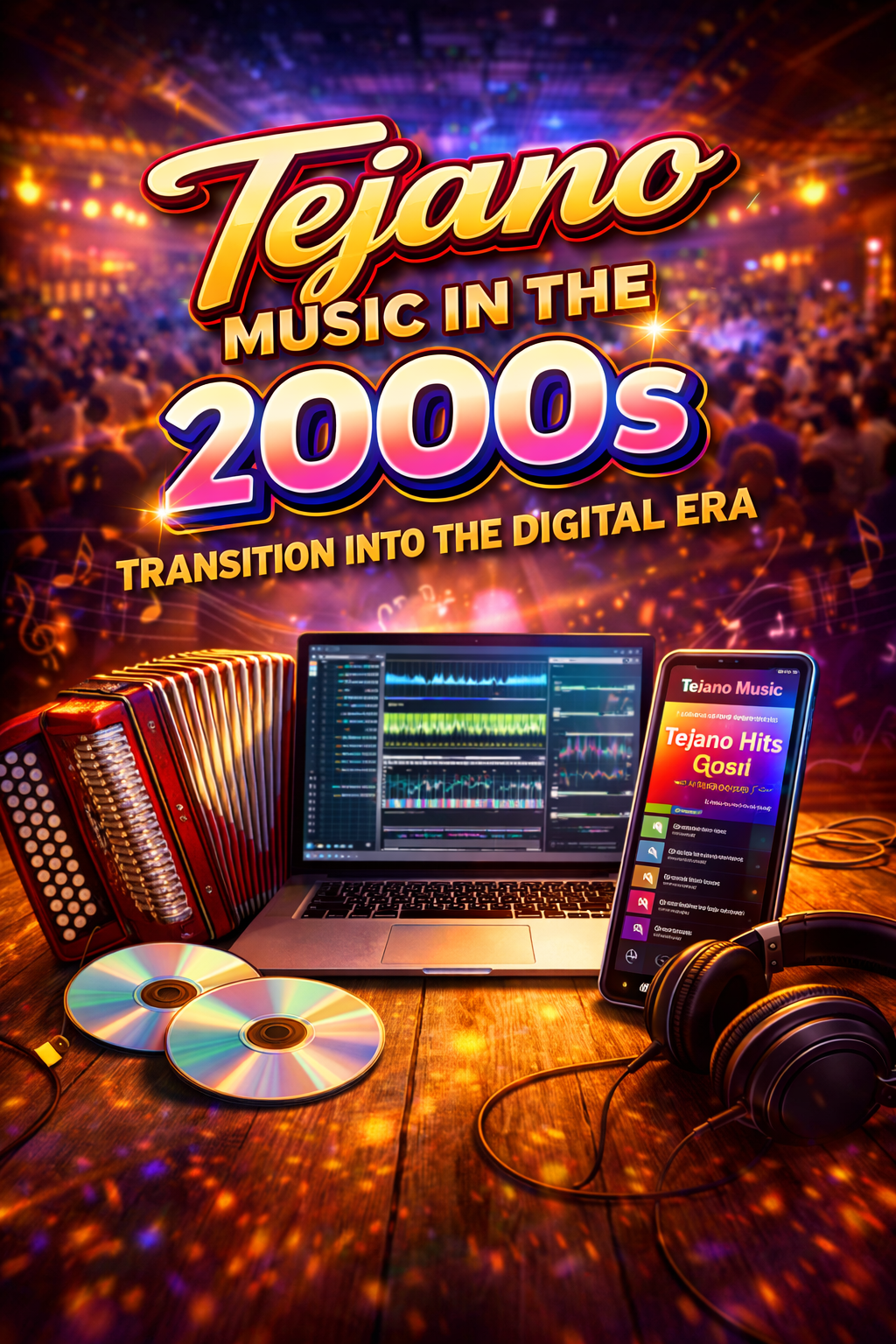
One of the most significant developments of the 2000s was the transition from physical media to digital music. Compact discs remained popular early in the decade, but digital downloads soon became more common.
New technology introduced:
- Digital recording software
- Online music distribution
- Downloadable music formats
- Portable digital music players
Artists began recording music using digital tools that allowed for faster production and improved sound quality.
This shift transformed how music was created, distributed, and consumed.
The Impact of the Internet on Tejano Music
The internet became an increasingly important tool for musicians during the 2000s. Artists began using websites and online platforms to promote their music and connect with fans.
Online exposure allowed artists to:
- Share music directly with listeners
- Promote concerts and tours
- Build fan communities
- Reach audiences beyond regional markets
Websites became digital storefronts where fans could learn about artists, purchase music, and follow new releases.
Changes in Radio and Media Exposure
Traditional radio continued to play an important role during the early 2000s, but its influence began shifting as digital media gained popularity.
Radio trends during this decade included:
- Increased competition from streaming platforms
- Changing music programming formats
- Reduced airtime for some regional genres
- Greater reliance on digital promotion
Artists began exploring alternative ways to reach audiences beyond traditional radio stations.
The Evolution of Tejano Sound in the 2000s
Musically, the 2000s introduced new production techniques and modern sounds. Artists experimented with digital instruments, electronic effects, and updated musical arrangements.
Musical developments included:
- Greater use of synthesizers and digital keyboards
- Modern studio production techniques
- Enhanced vocal processing
- Blending of traditional and contemporary sounds
These changes helped modernize the genre while maintaining its cultural identity.
Influential Artists of the 2000s
Several artists continued shaping the direction of Tejano music during the 2000s. Some performers from earlier decades remained active, while newer artists began gaining recognition.
Important contributions during this decade included:
- Continued touring by established performers
- Development of new musical talent
- Expansion of fan engagement through online platforms
- Increased collaboration among artists
These musicians helped sustain interest in Tejano music during a period of major industry change.
Live Performances and Festival Growth
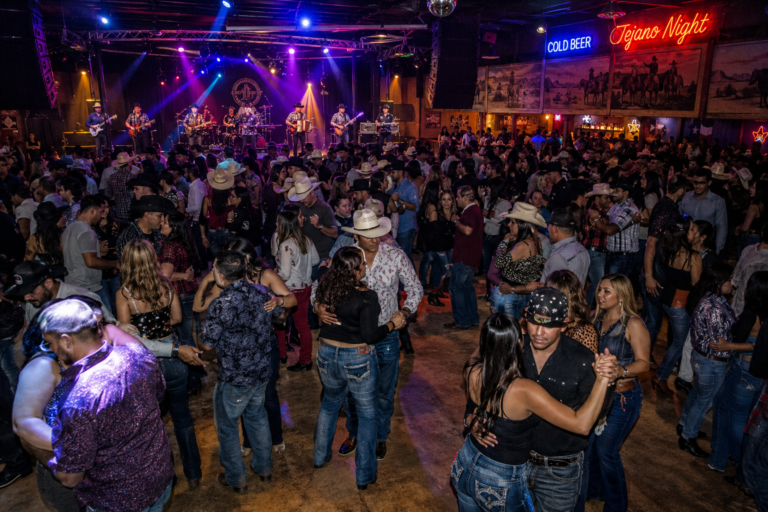
Despite the shift toward digital media, live performances remained essential to the success of Tejano music during the 2000s.
Concerts and festivals provided opportunities for artists to connect directly with audiences and maintain strong fan relationships.
Important developments included:
- Expansion of regional festivals
- Continued popularity of live concerts
- Increased use of professional stage production
- Growth of outdoor music events
Live events remained one of the strongest ways to preserve the cultural energy of Tejano music.
The Role of Festivals in Sustaining the Genre
Festivals became increasingly important during the 2000s as platforms for promoting Tejano music. These events brought together multiple artists and attracted large crowds.
Festival features included:
- Multi-band lineups
- Cultural celebrations
- Family-friendly entertainment
- Community-centered gatherings
Festivals helped keep Tejano music visible during a time of major technological change.
Cultural Identity in a Changing Musical Landscape
Even as technology transformed the music industry, Tejano music remained deeply connected to cultural identity. Songs continued to reflect family traditions, community pride, and shared experiences.
Music during this decade represented:
- Cultural heritage
- Community celebration
- Family traditions
- Regional pride
These cultural connections helped preserve the genre’s importance.
The Challenges of the Digital Transition
While digital technology created opportunities, it also introduced challenges for musicians and record labels.
Common challenges included:
- Decline in physical album sales
- Increased competition from online music platforms
- Changes in revenue models
- The need to adapt to new promotional strategies
Artists had to rethink how they distributed music and engaged with audiences.
How the 2000s Prepared Tejano Music for the Modern Era
The technological changes of the 2000s helped prepare Tejano music for the streaming-driven world of the 2010s and beyond.
Major long-term effects included:
- Adoption of digital recording tools
- Growth of online fan communities
- Expansion of independent music production
- Increased global accessibility
These changes helped ensure the survival and evolution of the genre.
Why the 2000s Were a Defining Transition Period
The 2000s represent a decade of adaptation, resilience, and innovation. While the industry faced challenges, artists continued creating music and exploring new opportunities.
This decade introduced:
- Digital music distribution
- Online artist promotion
- Modern production techniques
- New methods of fan engagement
These developments helped shape the modern direction of Tejano music.
Frequently Asked Questions About 2000s Tejano Music
What changed for Tejano music in the 2000s?
The shift from physical albums to digital music transformed how artists recorded, distributed, and promoted their music.
Did Tejano music remain popular in the 2000s?
Yes, although the industry faced challenges, live performances and festivals helped maintain strong fan engagement.
How did the internet affect Tejano music?
The internet allowed artists to promote music online, connect with fans, and distribute music digitally.
What role did festivals play during this decade?
Festivals helped sustain interest in Tejano music and provided opportunities for artists to perform live.