Tejano Music in the 1980s: The Rise of Regional Popularity and Modern Sound
Tejano Music in the 1980s
The 1980s marked a major turning point in the history of Tejano music. After decades of steady development, the genre entered a new phase of growth defined by regional popularity, improved production quality, and stronger media exposure. During this decade, Tejano music expanded beyond local dance halls and gained recognition across Texas and throughout the Southwest.
This period became a bridge between the experimentation of earlier decades and the massive popularity that followed in the 1990s. By the end of the 1980s, Tejano music had developed into a polished, professional sound supported by loyal fan bases, expanding radio support, and an increasingly organized music industry.
The Growth of Regional Popularity
Throughout the 1980s, Tejano music reached wider audiences than ever before. Communities that had supported the genre for generations continued to embrace it, while new listeners discovered the music through radio, live performances, and recorded albums.
Musicians began traveling farther to perform, connecting with audiences across multiple cities and regions. This growth helped transform Tejano music from a localized cultural tradition into a widely recognized regional movement.
Important developments during this period included:
- Increased attendance at live performances
- Expanded touring across Texas and neighboring states
- Greater visibility at community celebrations
- Rising demand for recorded music
- Growing recognition of Tejano performers
Regional popularity became the foundation for future national recognition.
Radio Airplay and Media Exposure
Radio stations played a powerful role in shaping the success of Tejano music during the 1980s. Spanish-language radio expanded its programming, giving artists consistent exposure to listeners across Texas and the Southwest.
Regular radio play helped introduce new music to audiences and build excitement around emerging performers. Listeners began following specific artists and eagerly anticipating new album releases.
Radio exposure supported:
- Increased fan loyalty
- Promotion of upcoming concerts
- Stronger artist recognition
- Growth of music popularity across multiple regions
For many listeners, radio became the primary way to experience Tejano music.
Cassette Tapes and the Expansion of Music Distribution
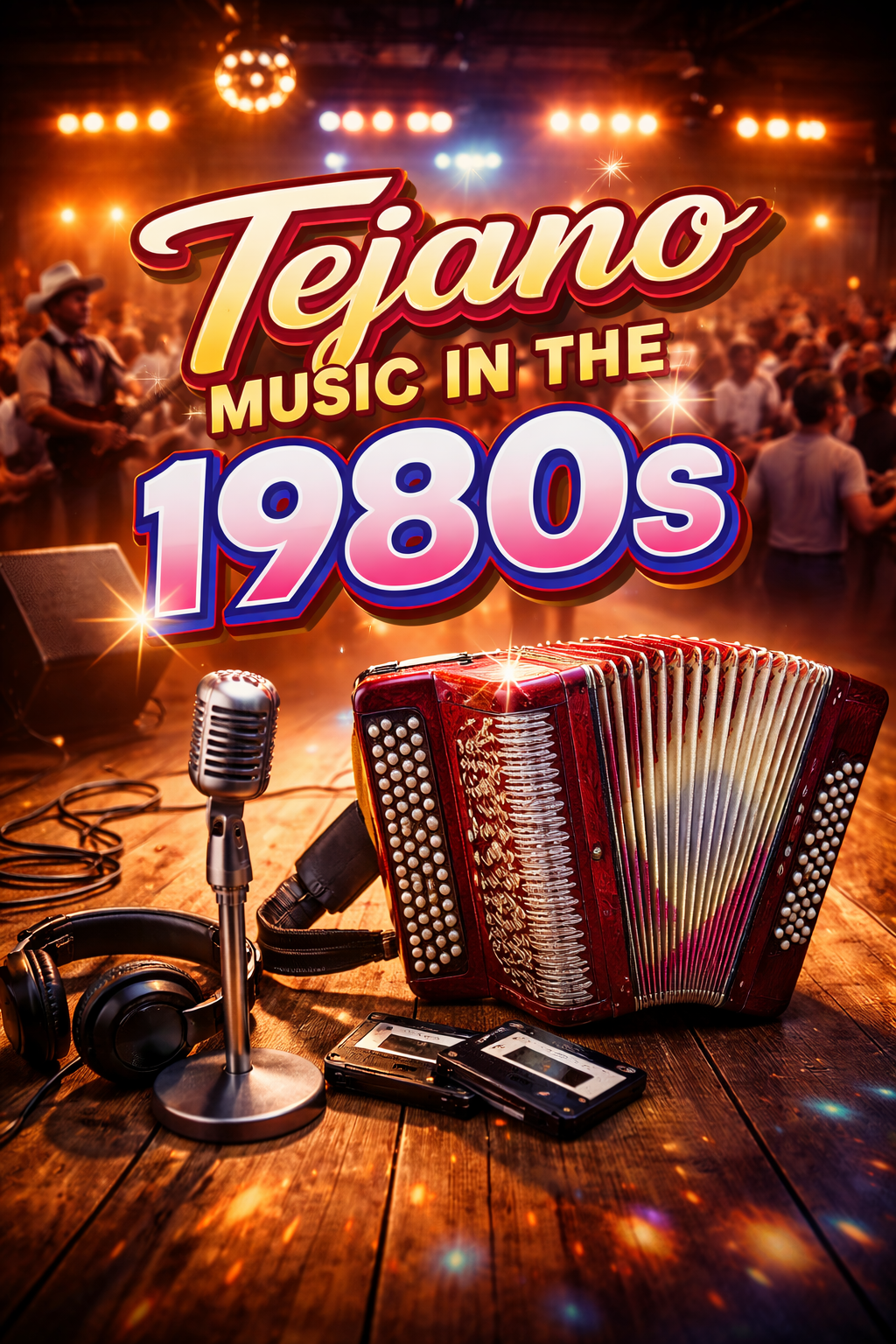
One of the most important technological changes of the 1980s was the widespread adoption of cassette tapes. Cassette technology made music more portable and easier to share, allowing fans to listen to Tejano music almost anywhere.
Listeners enjoyed music:
- In their homes
- During family gatherings
- At social events
- While traveling in vehicles
Cassette tapes helped artists distribute music more widely, allowing their songs to reach audiences beyond local markets. This shift made Tejano music more accessible and contributed to its growing popularity.
The Modernization of the Tejano Sound
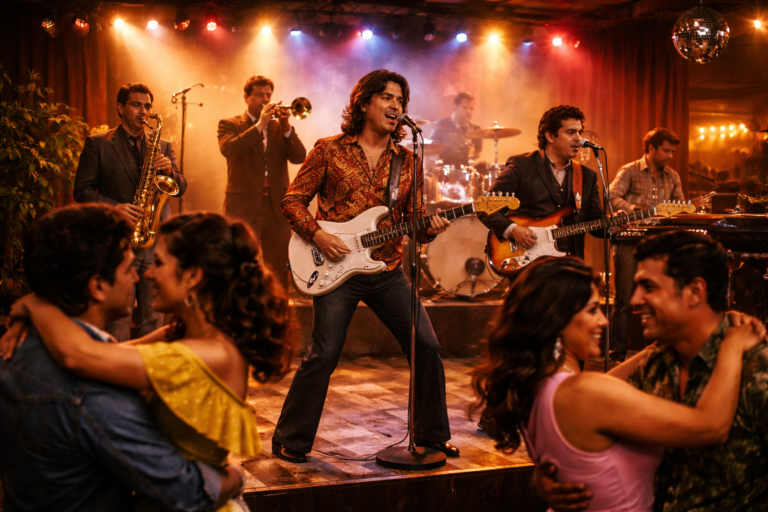
The sound of Tejano music evolved significantly during the 1980s. Musicians balanced traditional instrumentation with modern technology, creating a sound that reflected both heritage and innovation.
Bands experimented with layered arrangements and refined their musical production techniques. The resulting sound was cleaner, more energetic, and more adaptable to changing audience preferences.
Common musical developments during the 1980s included:
- Increased use of electronic keyboards
- More sophisticated rhythm sections
- Expanded vocal harmonies
- Improved stage production quality
- Greater emphasis on musical precision
These changes helped define the modern Tejano sound.
Instruments That Defined the 1980s Tejano Era
Several instruments played major roles in shaping the sound of Tejano music during the 1980s.
Keyboards and Synthesizers
Keyboards became widely used during this decade. Musicians used synthesizers to create layered sounds and modern effects that reflected popular music trends of the era.
Electric Guitar
Electric guitars remained central to Tejano music, adding rhythmic strength and expressive solos that energized live performances.
Drum Sets
Modern drum kits supported more complex rhythms and dynamic musical patterns, giving performances greater intensity.
Accordion
Despite modernization, the accordion remained an essential symbol of Tejano heritage and tradition, preserving the roots of the genre.
This combination of traditional and modern instruments helped shape the distinctive sound of 1980s Tejano music.
Influential Artists Who Defined the 1980s
Several performers rose to prominence during the 1980s and helped shape the musical direction of Tejano music. Their contributions helped transform the genre into a regional force with growing popularity.
La Mafia and the Rise of Professional Touring
La Mafia became one of the most recognizable and influential bands of the decade. Their polished sound, strong stage presence, and consistent touring helped expand the reach of Tejano music.
Their success helped:
- Build larger audiences across multiple regions
- Increase interest in recorded music
- Strengthen the professionalism of touring bands
- Expand fan loyalty
La Mafia played a major role in shaping the modern performance style of Tejano music.
Mazz and the Modernization of Sound
Mazz became another influential group that helped modernize the Tejano sound during the 1980s. Their music blended traditional rhythms with contemporary arrangements that appealed to changing musical tastes.
Their impact included:
- Expanding musical creativity
- Increasing audience engagement
- Introducing polished production styles
- Helping define the sound of the decade
Mazz became one of the defining musical voices of the era.
The Expansion of Touring Circuits
Touring became increasingly organized during the 1980s. Bands traveled frequently between cities, performing at dance halls, festivals, and special events.
Touring growth created:
- Stronger connections between artists and fans
- Increased recognition across regions
- More consistent performance schedules
- Greater demand for live entertainment
Live performances became one of the most powerful drivers of Tejano music’s growth.
Dance Halls and Festivals in the 1980s
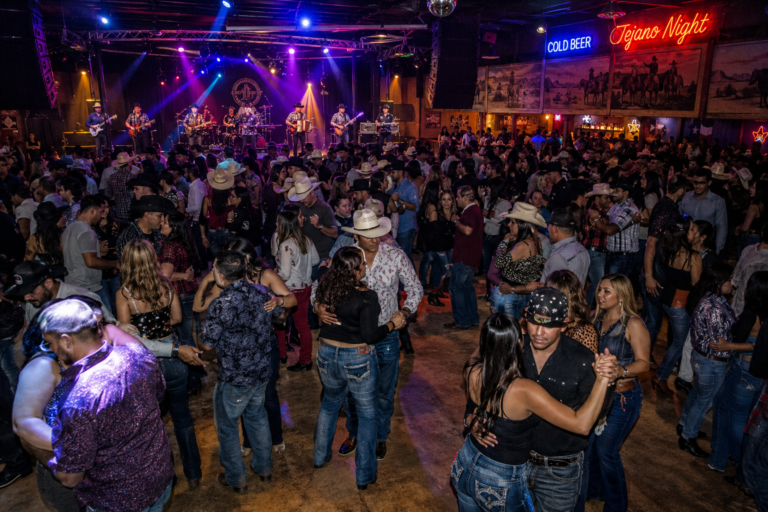
Dance halls remained cultural landmarks throughout the 1980s. However, large festivals became more common, allowing musicians to perform for larger crowds.
Festival events included:
- Multi-band performances
- Cultural celebrations
- Outdoor music gatherings
- Community-centered entertainment
These festivals helped introduce Tejano music to new audiences and expanded its visibility.
Cultural Pride and Community Identity
Tejano music during the 1980s remained deeply connected to cultural identity. Songs reflected everyday experiences, family traditions, and shared community values.
Music during this decade represented:
- Cultural heritage
- Community unity
- Family traditions
- Regional pride
This strong cultural connection helped sustain the popularity of Tejano music across generations.
Advances in Recording Technology
Recording studios became more advanced during the 1980s, allowing musicians to produce higher-quality albums with improved sound clarity.
Technological advancements included:
- Multi-track recording systems
- Enhanced sound mixing techniques
- Professional studio environments
- Expanded music distribution networks
These improvements helped elevate the overall quality of Tejano recordings.
How the 1980s Prepared Tejano Music for the Golden Era of the 1990s
The success of the 1980s created the foundation for the explosive growth that followed in the 1990s. By the end of the decade, Tejano music had gained strong regional recognition and widespread audience support.
Major long-term effects included:
- Growth of loyal fan bases
- Increased professional opportunities for artists
- Expansion of regional touring
- Greater visibility across multiple media platforms
These developments prepared Tejano music for its most celebrated decade.
Why the 1980s Remain a Defining Era
The 1980s represented a time when Tejano music became more structured, polished, and widely celebrated. The genre matured into a professional industry supported by strong community interest and growing media exposure.
This decade introduced:
- Expanded regional popularity
- Improved production quality
- Greater touring opportunities
- Stronger cultural visibility
The achievements of the 1980s helped shape the modern identity of Tejano music.
Frequently Asked Questions About 1980s Tejano Music
What made the 1980s important for Tejano music?
The 1980s expanded radio exposure, improved recording technology, and increased regional popularity for Tejano artists.
Which artists helped define Tejano music in the 1980s?
Bands such as La Mafia and Mazz played major roles in shaping the sound and popularity of Tejano music.
How did cassette tapes impact Tejano music?
Cassette tapes allowed music to be distributed more widely and played in homes, vehicles, and social gatherings.
Where did Tejano music grow the most in the 1980s?
Tejano music expanded across Texas and the Southwestern United States.