Tejano Music in the 1950s: The Decade That Modernized a Tradition
Tejano Music in the 1950s
The 1950s were one of the most transformative decades in Tejano music history. What began as traditional conjunto music rooted in accordion-driven folk traditions began evolving into a fuller, more dynamic sound. New technology, stronger band structures, and rising performers helped modernize Tejano music and prepare it for national growth in later decades.
This decade marked the beginning of modern Tejano music as audiences know it today.
The Musical Landscape of the 1950s
During the 1950s, Tejano music transitioned from small, informal gatherings into organized performances that reached wider audiences. Dance halls became cultural centers, and musicians refined their style to match growing crowds.
Music during this decade was energetic, rhythmic, and deeply connected to community traditions. Performances often lasted late into the night, bringing together families, friends, and neighbors for celebrations centered around music and dance.
Common features of 1950s Tejano music included:
- Strong melodic accordion leads
- Rhythmic bajo sexto backing
- Emerging vocal performances
- Expanded band instrumentation
- Dance-driven musical arrangements
This combination created a sound that was both traditional and forward-looking.
The Role of Technology in Shaping the Sound
Technology played a major role in transforming Tejano music during the 1950s. The use of microphones, amplifiers, and recording equipment allowed musicians to expand their reach and perform in larger venues.
Before amplification became common, many performances were limited to smaller spaces. Once electrical sound systems became available, musicians were able to fill dance halls with powerful, clear music.
This technological shift led to:
- Larger and louder performances
- More professional stage setups
- Increased recording opportunities
- Growth of regional radio broadcasting
Radio stations began featuring more Tejano music, helping artists reach audiences across Texas and beyond.
Instruments That Defined the 1950s Tejano Sound
While earlier Tejano music relied heavily on acoustic instruments, the 1950s introduced new tools that expanded the genre’s musical range.
Accordion – The Signature Instrument
The accordion remained the defining sound of Tejano music. Its expressive tone allowed musicians to lead melodies that were both lively and emotional.
Accordion players were often the centerpiece of the band, setting the rhythm and guiding the musical flow.
Bajo Sexto – The Rhythmic Backbone
The bajo sexto, a 12-string guitar, provided the rhythmic structure that supported the accordion’s melody. It created depth and balance within the ensemble.
Its steady patterns helped dancers maintain rhythm throughout long performances.
Drums – A Powerful New Addition
One of the most important developments of the 1950s was the introduction of drums into Tejano music.
Drums added:
- Stronger rhythmic drive
- Greater energy
- More dynamic performances
This innovation made live performances more engaging and helped shape the modern Tejano band structure.
Electric Bass – Expanding Musical Depth
Electric bass instruments provided deeper sound layers and enhanced musical fullness. Bass lines helped create smoother transitions between melodies and rhythms.
This addition gave Tejano music a richer and more professional sound.
Influential Artists Who Shaped the 1950s Era
Several musicians played key roles in shaping the direction of Tejano music during the 1950s. Their creativity helped transform traditional styles into modern performance music.
Valerio Longoria – Pioneer of Vocal Tejano
Valerio Longoria is widely recognized as one of the most influential figures of this decade. He helped introduce vocal storytelling into a genre that had previously been dominated by instrumental performances.
His contributions included:
- Adding consistent vocals to performances
- Developing lyrical storytelling traditions
- Expanding audience engagement
Longoria’s influence helped establish the vocal-driven style that remains common in Tejano music today.
Tony de la Rosa – Innovator of Musical Technique
Tony de la Rosa played a critical role in refining instrumental technique and expanding musical creativity.
His influence included:
- Modernizing accordion performance methods
- Improving rhythmic arrangements
- Inspiring future generations of musicians
Many later Tejano artists adopted techniques influenced by his style.
Dance Halls: The Heart of Tejano Culture
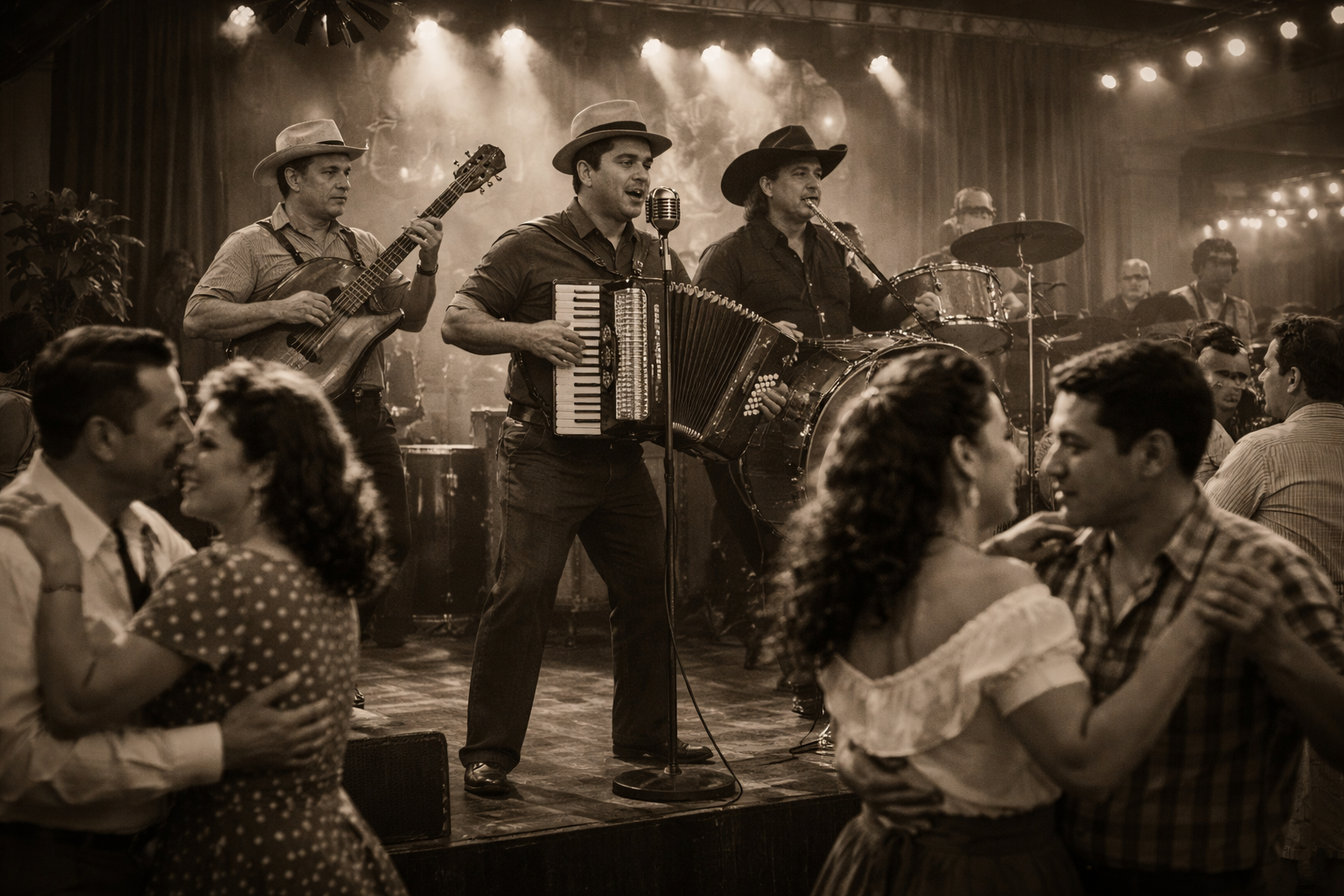
Dance halls were essential to the growth of Tejano music in the 1950s. These venues served as gathering places where music and culture came together.
Typical dance hall experiences included:
- Live weekend performances
- Family-friendly celebrations
- Cultural festivals
- Community social events
Dance halls helped strengthen community identity while giving musicians opportunities to perform regularly.
These venues also encouraged bands to improve their sound quality and stage presence.
The Growth of Tejano Recordings
The 1950s saw increased production of vinyl records featuring Tejano music. Recording studios became more accessible, allowing artists to preserve their music and share it with wider audiences.
This period marked:
- Expansion of recorded Tejano music
- Increased popularity of vinyl records
- Greater distribution across regions
- Growing recognition of Tejano musicians
Recordings helped spread the genre beyond local dance halls and into homes across Texas.
Radio’s Role in Expanding Tejano Music
Spanish-language radio stations played a major role in spreading Tejano music during the 1950s.
Radio exposure allowed:
- Greater audience reach
- Promotion of new artists
- Increased cultural visibility
- Regional music recognition
Many listeners discovered new songs and performers through radio broadcasts, strengthening the popularity of Tejano music.
Cultural Impact of 1950s Tejano Music
The music of the 1950s was more than entertainment—it was a powerful expression of cultural identity.
Tejano music reflected:
- Community traditions
- Family celebrations
- Cultural pride
- Regional heritage
Music became a unifying force that connected generations and strengthened cultural roots.
How the 1950s Influenced Later Decades
The innovations of the 1950s shaped the sound and structure of future Tejano music. Many musical elements introduced during this decade remain essential to modern performances.
Long-term impacts included:
- Formation of full Tejano bands
- Growth of professional musicianship
- Expansion into larger venues
- Increased commercial opportunities
These developments helped prepare the genre for its major growth during the 1960s and beyond.
Why the 1950s Remain a Defining Decade
The 1950s stand as one of the most important chapters in Tejano music history. This decade bridged traditional roots with modern performance techniques, creating a sound that resonated with wider audiences.
It represents:
- The beginning of modern Tejano sound
- The rise of amplified performances
- The expansion of regional popularity
- The foundation for future musical innovation
Without the changes introduced during this period, Tejano music might not have achieved the widespread recognition it enjoys today.
Frequently Asked Questions About 1950s Tejano Music
What made the 1950s important for Tejano music?
The 1950s introduced amplification, drums, and structured bands, transforming traditional conjunto music into modern Tejano performance music.
Who were the major Tejano artists of the 1950s?
Important figures included Valerio Longoria and Tony de la Rosa, both of whom played significant roles in modernizing the genre.
What instruments were commonly used in the 1950s?
Typical instruments included accordion, bajo sexto, drums, and electric bass.
Where was Tejano music performed during the 1950s?
Most performances took place in dance halls, festivals, and community celebrations across Texas.