Tejano Music in the 2020s: The Modern Era and Global Reach
Tejano Music in the 2020s
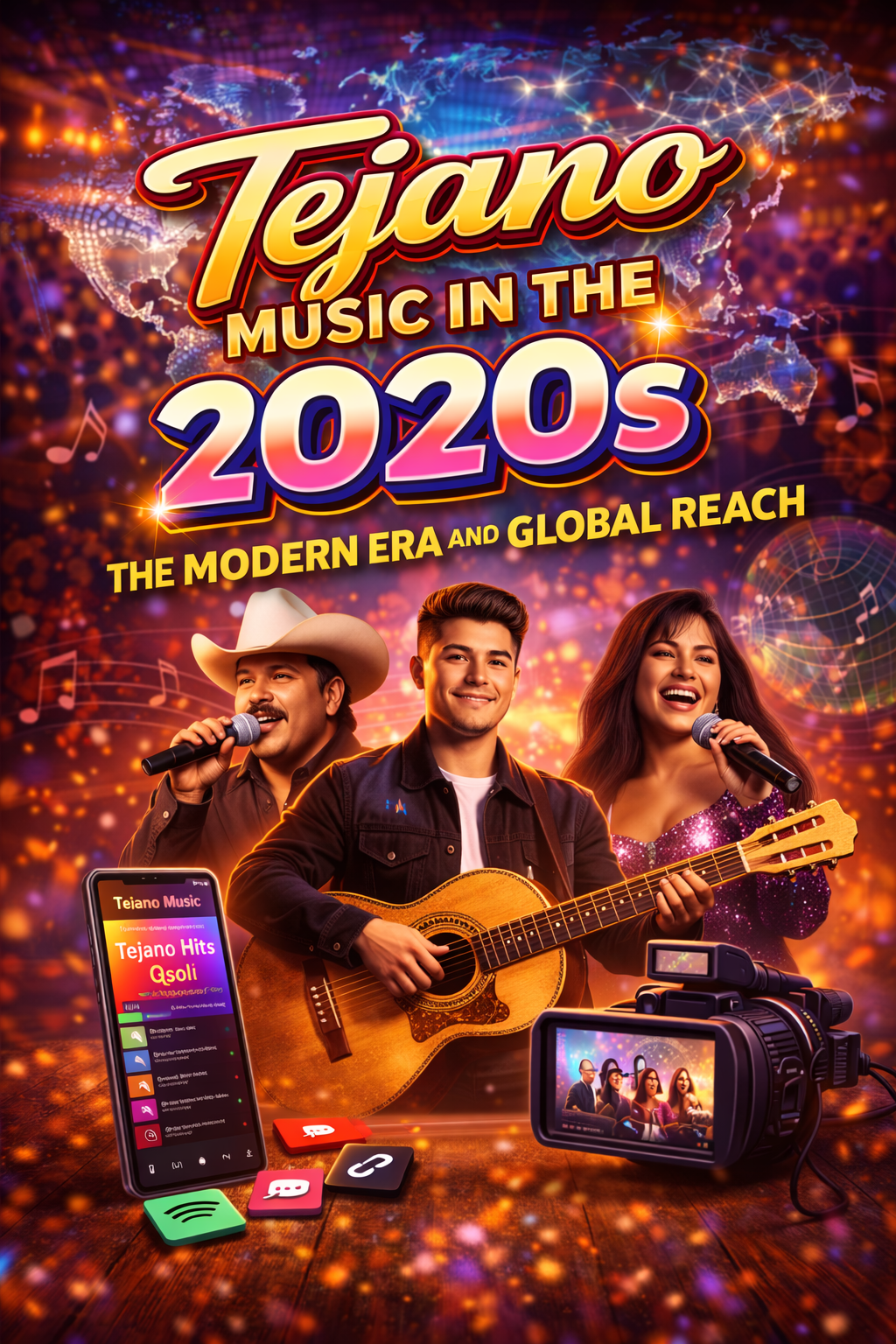
The 2020s represent a new chapter in the history of Tejano music—one defined by innovation, resilience, and global connectivity. As technology continues evolving and audiences consume music in new ways, Tejano artists have embraced modern platforms while preserving the traditions that define the genre.
This decade reflects both continuity and change. Traditional instruments remain at the heart of the music, while digital tools allow artists to share their work with audiences around the world. The 2020s have become an era of creativity, accessibility, and cultural pride, bringing Tejano music into the global spotlight.
The Expansion of Global Audiences
One of the most defining characteristics of the 2020s is the ability for Tejano music to reach listeners far beyond regional boundaries. Streaming services and digital platforms allow artists to connect with fans across the United States and internationally.
Global exposure has allowed Tejano music to:
- Reach new audiences worldwide
- Introduce younger listeners to traditional sounds
- Expand cultural awareness across borders
- Build international fan communities
Music that once spread primarily through regional networks can now be discovered anywhere with internet access.
The Continued Rise of Streaming Platforms
Streaming continues to dominate music consumption during the 2020s. Unlike earlier decades that relied on physical albums or downloads, modern listeners often rely entirely on streaming services.
Streaming platforms allow artists to:
- Release music instantly
- Reach global audiences without physical distribution
- Track listener engagement and popularity
- Maintain continuous audience visibility
This accessibility has allowed both new and established artists to share music more efficiently than ever before.
Social Media as a Primary Promotion Tool
Social media platforms have become essential tools for artist promotion in the 2020s. Musicians use these platforms to build relationships with fans and promote new content in real time.
Social media supports:
- Direct fan engagement
- Live video performances
- Music promotion campaigns
- Announcement of new releases and tours
Artists can now connect directly with audiences without relying solely on traditional media outlets.
Independent Artists and Creative Freedom
One of the most important developments of the 2020s is the rise of independent artists. Digital production tools have made it easier than ever for musicians to record and distribute music without major record labels.
Independent production has allowed artists to:
- Maintain creative control
- Release music more frequently
- Experiment with new musical styles
- Build direct relationships with fans
This shift has increased diversity within the genre and encouraged innovation.
The Evolution of Modern Tejano Sound
Musically, the 2020s have introduced new production styles while maintaining traditional elements. Many artists blend modern influences with classic Tejano rhythms, creating music that appeals to multiple generations.
Modern musical characteristics include:
- High-quality digital production
- Blending of traditional and contemporary sounds
- Greater experimentation with rhythm and melody
- Expanded use of digital instruments
These developments demonstrate the genre’s ability to adapt while preserving its identity.
Live Performances in a Changing World
Live performances continue to play an essential role in Tejano music culture during the 2020s. However, the early part of the decade introduced new challenges that temporarily disrupted live events.
Despite these obstacles, live music remains a central part of the genre.
Live performance trends include:
- Hybrid events combining live and digital streaming
- Outdoor festival growth
- Expanded touring opportunities
- Increased audience engagement
Live music continues to strengthen cultural connections between artists and communities.
The Growth of Digital Concert Experiences
Virtual concerts became more common during the early 2020s, allowing artists to perform for audiences who could not attend in person.
Digital concerts offered:
- Remote viewing experiences
- Real-time audience interaction
- Increased accessibility for distant fans
- New performance formats
These experiences expanded how music could be shared across distances.
Cultural Identity in the Modern Era
Despite technological advancements, Tejano music remains deeply connected to cultural identity. The themes that define the genre continue reflecting traditions, family values, and community pride.
Music during the 2020s represents:
- Cultural heritage
- Community celebration
- Family traditions
- Cultural unity
These traditions continue shaping the genre’s identity.
The Role of Collaboration in Modern Music
Collaboration between artists has become increasingly common during the 2020s. Musicians often work together across genres and geographic regions.
Collaborative projects allow:
- Blending of musical styles
- Expansion into new audiences
- Increased creative experimentation
- Greater artistic diversity
Collaboration continues driving innovation within Tejano music.
The Influence of Video Content and Digital Media
Video platforms have become one of the most powerful tools for promoting music during the 2020s. Artists use video content to showcase performances, tell stories, and connect visually with audiences.
Video content helps artists:
- Promote new releases
- Share behind-the-scenes experiences
- Highlight live performances
- Build visual brand identity
Visual storytelling has become a major part of modern music promotion.
Challenges Facing Tejano Music in the 2020s
Despite growth and innovation, Tejano music continues to face challenges in a competitive digital environment.
Common challenges include:
- Competition from mainstream genres
- Rapidly changing technology
- Short attention spans among audiences
- The need for continuous content creation
Artists must remain adaptable to maintain visibility.
The Future of Tejano Music
The 2020s represent more than just the present—they represent the future direction of Tejano music. New artists continue emerging, technology continues evolving, and audiences continue expanding.
Future possibilities include:
- Greater international collaboration
- Continued growth of streaming audiences
- Increased digital music innovation
- Expanded cultural recognition
The future of Tejano music remains promising.
Why the 2020s Represent a New Era
The 2020s stand as a decade of transformation and opportunity. Tejano music has successfully adapted to modern technology while preserving the traditions that make the genre unique.
This decade represents:
- Global accessibility
- Digital innovation
- Cultural preservation
- Creative expansion
These qualities define the modern era of Tejano music.
Frequently Asked Questions About 2020s Tejano Music
How has Tejano music changed in the 2020s?
The genre has embraced streaming platforms, digital promotion, and global distribution while maintaining traditional musical elements.
Are independent artists important in the 2020s?
Yes, independent artists play a major role in shaping the modern sound and expanding the diversity of the genre.
Do live performances still matter today?
Yes, live events remain essential for connecting artists with audiences and preserving cultural traditions.
Is Tejano music reaching global audiences?
Yes, streaming and digital media allow listeners worldwide to discover Tejano music.