Tejano Music in the 1970s: The Era of Musical Fusion and Expanding Identity
Tejano Music in the 1970s
The 1970s were a defining decade for Tejano music, marked by bold experimentation and a willingness to explore new sounds. Building on the polished arrangements of the 1960s, musicians began blending traditional Tejano rhythms with influences from rock, country, funk, and soul. This period introduced a more dynamic musical identity that attracted younger audiences while preserving the cultural traditions that defined the genre.
During the 1970s, Tejano music moved confidently into modern territory. Bands expanded their sound, performances became more energetic, and recording technology allowed musicians to experiment with new musical ideas. These changes helped shape the future success of Tejano music in the 1980s and the golden era of the 1990s.
The Evolution of the Tejano Sound in the 1970s
The musical direction of the 1970s reflected a desire to modernize while maintaining cultural authenticity. Artists embraced creativity, exploring new rhythms and performance techniques that mirrored national musical trends.
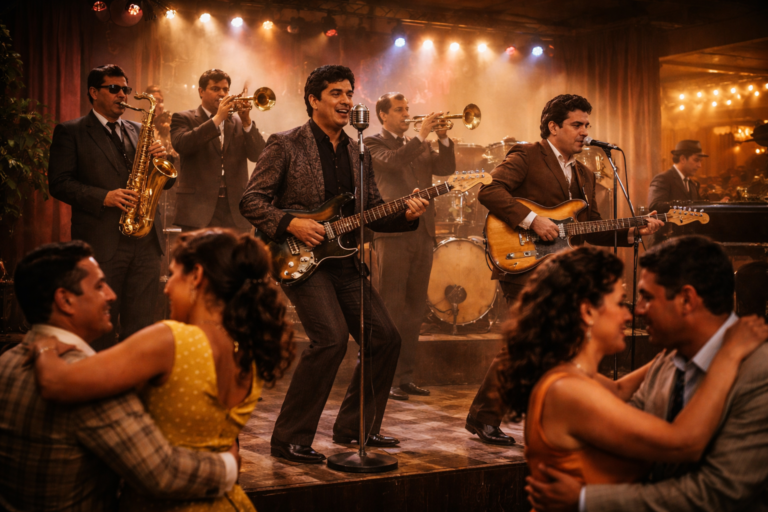
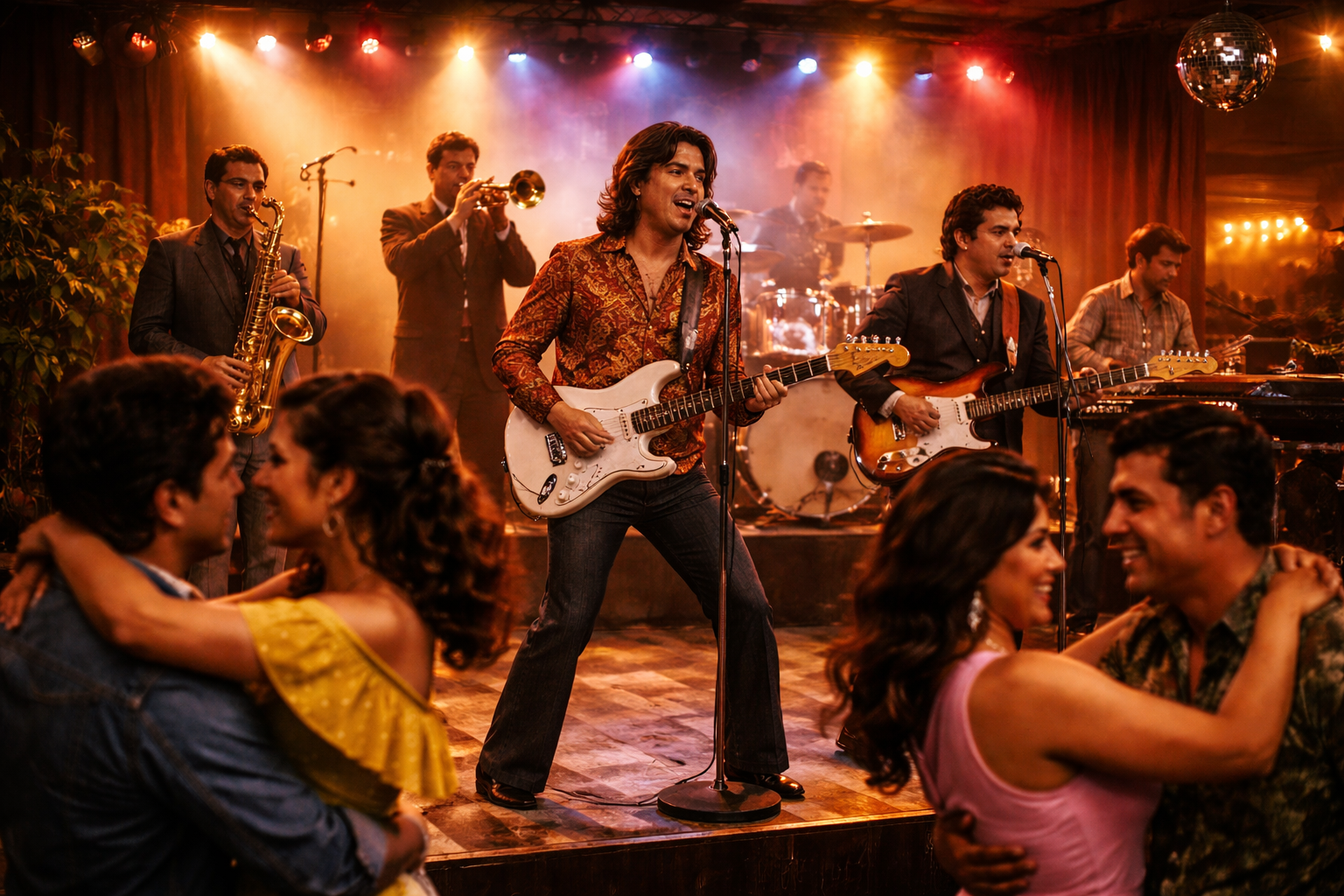
The sound of Tejano music during this decade became more layered and expressive. Musicians blended traditional accordion-driven melodies with electric instruments and stronger rhythm sections, creating a fuller and more versatile sound.
Key characteristics of 1970s Tejano music included:
- Fusion of traditional Tejano rhythms with modern musical styles
- Increased use of electric guitars and keyboards
- More prominent bass and drum arrangements
- Strong emphasis on live performance energy
- Growth of polished stage productions
These elements created a sound that appealed to both longtime listeners and new audiences.
Rock Music’s Influence on Tejano Bands
Rock music became one of the strongest influences on Tejano artists during the 1970s. The popularity of rock bands across the United States inspired Tejano musicians to adopt electric instrumentation and more energetic performance styles.
Electric guitars became central to many bands, allowing musicians to experiment with riffs, solos, and rhythmic patterns that added excitement to live performances.
Rock-inspired elements introduced:
- Amplified guitar-driven melodies
- Faster tempos and stronger rhythms
- Dynamic stage presence
- Youth-focused musical appeal
These changes helped modernize the sound and expand Tejano music’s audience base.
Country Music and Storytelling Traditions
Country music also played an important role in shaping Tejano music during the 1970s. Many musicians were influenced by country-style storytelling, which emphasized emotional lyrics and relatable themes.
Country music contributed:
- Narrative songwriting techniques
- Smooth vocal harmonies
- Acoustic guitar integration
- Romantic ballad traditions
These elements added emotional depth and strengthened connections with audiences.
Funk and Soul Rhythms Enter the Scene
Funk and soul music introduced groove-based rhythms that enhanced the danceability of Tejano music. These genres influenced rhythm sections and encouraged musicians to experiment with syncopated beats.
Funk and soul influences added:
- Deep bass-driven grooves
- Rhythmic complexity
- Dance-focused musical arrangements
- Greater variety in performance styles
This rhythmic evolution helped make Tejano music even more engaging for live audiences.
Instruments That Defined the 1970s Tejano Sound
The 1970s saw widespread adoption of modern instruments that expanded the range and depth of Tejano music.
Electric Guitar — The Sound of Modernization
Electric guitars became one of the most recognizable symbols of 1970s Tejano music. Musicians used guitars to create expressive solos and energetic rhythms that enhanced live performances.
Electric Bass — Strengthening the Rhythm
Bass guitars played a major role in shaping the groove of Tejano music. Strong bass lines created stability and helped unify musical sections.
Drum Sets — Increasing Musical Energy
Modern drum kits allowed musicians to experiment with more complex rhythms and dynamic patterns. This added excitement and intensity to performances.
Keyboards — Expanding Musical Creativity
Keyboards introduced layered melodies and new sound effects. Musicians used keyboards to create richer harmonies and modern textures.
Together, these instruments helped define the modern Tejano band format.
Influential Artists Who Helped Shape the 1970s
Several musicians made lasting contributions to Tejano music during the 1970s. Their creativity helped balance tradition and innovation, shaping the direction of the genre.
Ruben Ramos – Bridging Tradition and Innovation
Ruben Ramos became one of the most respected voices of the 1970s. His work blended traditional Tejano elements with modern musical influences, helping preserve the genre’s roots while encouraging innovation.
His impact included:
- Expanding musical experimentation
- Maintaining traditional rhythms
- Strengthening vocal storytelling
Ramos helped guide Tejano music through a period of major transformation.
Early Development of Future Legendary Bands
The 1970s also saw the early development of bands that would later achieve widespread recognition. These groups refined their sound during this decade and prepared for larger success in the years ahead.
Many bands during this time:
- Developed signature musical styles
- Expanded touring schedules
- Built loyal fan bases
- Improved stage performance techniques
These early foundations supported the explosive growth of Tejano music in later decades.
Touring and the Expansion of Live Performances
Live performances played an increasingly important role in shaping Tejano music during the 1970s. Bands traveled across Texas and neighboring regions to perform at festivals, dance halls, and community celebrations.
Touring expansion led to:
- Greater regional popularity
- Stronger fan connections
- Increased performance professionalism
- Higher demand for live entertainment
Live music remained the center of Tejano cultural expression.
Dance Culture of the 1970s
Dance remained a defining feature of Tejano music throughout the 1970s. However, dance styles evolved alongside the changing sound of the music.
Dance culture included:
- Fast-paced partner dancing
- Social gatherings and celebrations
- Festival performances
- Community-centered events
These gatherings strengthened community bonds and helped maintain cultural traditions.
Advances in Recording Technology
Recording technology improved significantly during the 1970s. Multi-track recording systems allowed musicians to experiment with layered sounds and produce higher-quality albums.
Technological advancements included:
- Multi-track recording equipment
- Improved sound clarity
- Expanded album production
- Greater distribution opportunities
These improvements helped Tejano artists reach broader audiences.
Cultural Identity and Community Expression
Throughout the 1970s, Tejano music remained deeply connected to cultural identity. Songs often reflected themes of love, family, celebration, and community pride.
Music served as:
- A reflection of shared traditions
- A celebration of heritage
- A bridge between generations
- A source of cultural unity
These cultural connections kept Tejano music grounded while allowing innovation.
How the 1970s Prepared Tejano Music for the 1980s
The innovations of the 1970s created the foundation for the commercial growth of Tejano music in the 1980s.
Major long-term impacts included:
- Increased professionalism among bands
- Expansion of recording opportunities
- Stronger stage performances
- Growing audience demand
These developments set the stage for the regional popularity that followed.
Why the 1970s Remain a Transformational Decade
The 1970s represented a period of creativity, adaptation, and musical exploration. Artists experimented with new sounds while honoring their cultural roots.
This decade introduced:
- Musical genre blending
- Expanded instrumentation
- More sophisticated performances
- Greater audience diversity
These innovations helped shape the modern identity of Tejano music.
Frequently Asked Questions About 1970s Tejano Music
What made the 1970s important for Tejano music?
The 1970s introduced musical fusion, modern instruments, and improved production techniques that transformed the sound of Tejano music.
Which genres influenced Tejano music during the 1970s?
Rock, country, funk, and soul were major influences during this decade.
Who were influential Tejano artists of the 1970s?
Artists such as Ruben Ramos helped shape the direction of Tejano music during this period.
How did technology impact Tejano music in the 1970s?
Improved recording technology allowed musicians to create layered recordings and produce higher-quality albums.